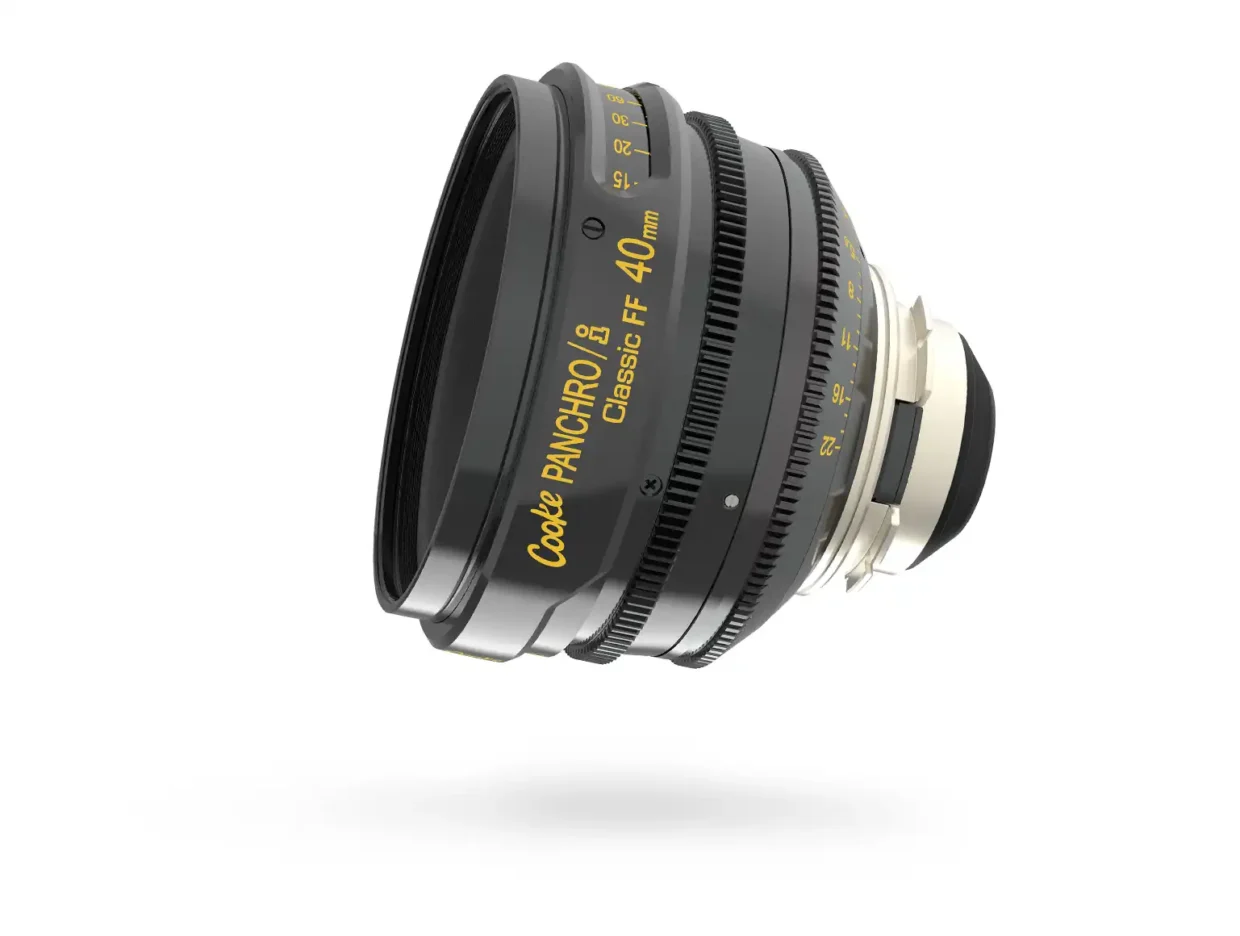
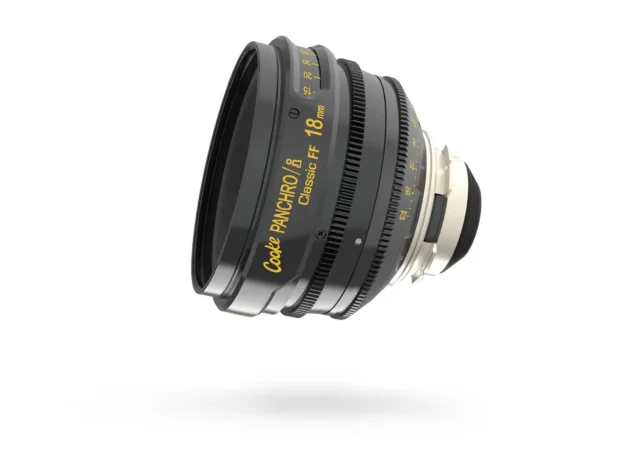
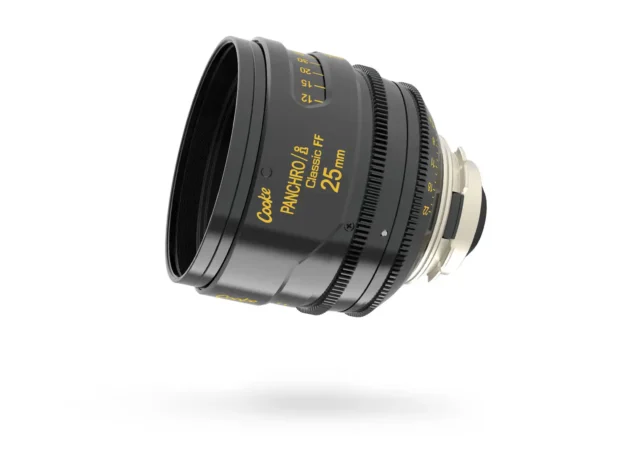
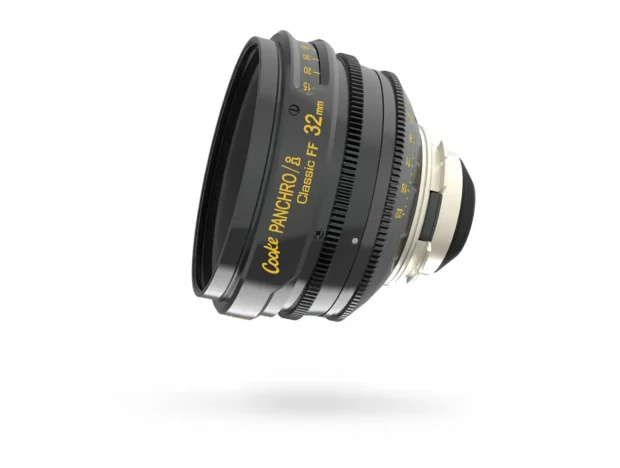
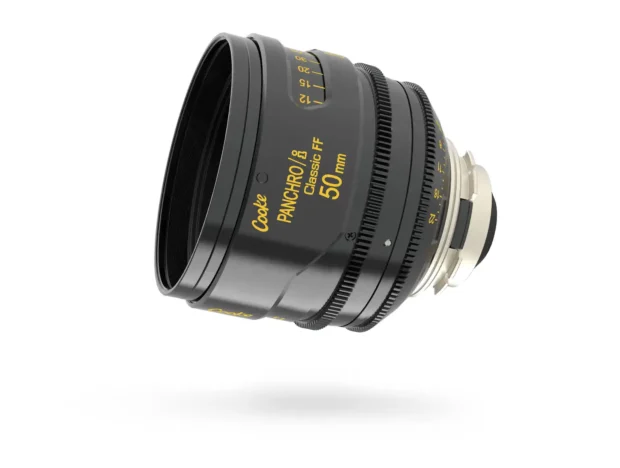
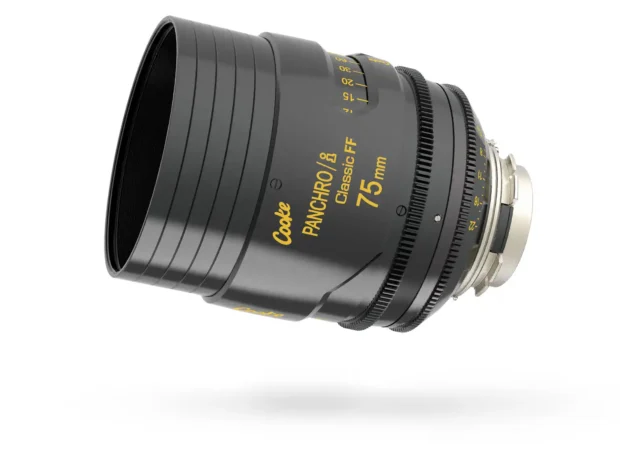
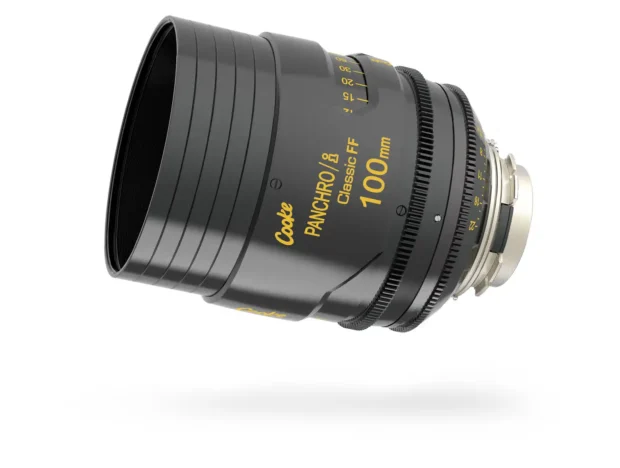
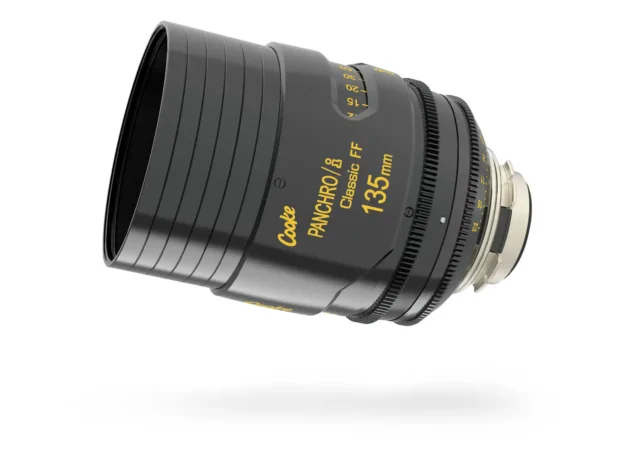
A full frame prime set designed to deliver the classic Speed Panchro style image, with modern consistency and Cooke /i metadata. Panchro/i Classic FF lenses keep natural colour, gentle contrast, and smooth tonal transitions, with matched handling across the set for fast swaps. A strong choice when you want character that still intercuts cleanly across a full shooting day.
Overview
- Classic Speed Panchro style rendering with modern consistency across the set.
- Cooke /i technology for lens metadata.
- Matched handling designed for repeatable focus pulling with minimal backlash.
- Consistent maximum T2.2 across most focal lengths, with 100mm at T2.6 and 135mm at T2.8.
- A practical focal spread for full frame coverage from wide to tele.
Use Cases
- Drama, commercial and branded work where you want a classic Cooke feel without going overly soft.
- Full frame interviews with a consistent look from wide context to portrait coverage.
- Shoots that benefit from metadata capture for VFX, matching, and continuity.
| Focal Length | Aperture | Close focus | Front Diameter | Weight |
|---|---|---|---|---|
| 18mm | T2.2 | 9.8cm | 3.8″ | 125 mm | 2.2 kg |
| 25mm | T2.2 | 15cm | 6″ | 110 mm | 2.0 kg |
| 32mm | T2.2 | 16cm | 6.6″ | 110 mm | 1.9 kg |
| 40mm | T2.2 | 20cm | 6.9″ | 110 mm | 1.5 kg |
| 50mm | T2.2 | 38cm | 9.5″ | 110 mm | 1.4 kg |
| 75mm | T2.2 | 59cm | 1’10” | 110 mm | 1.8 kg |
| 100mm | T2.6 | 74cm | 2’5″ | 110 mm | 1.8 kg |
| 135mm | T2.8 | 65cm | 2’0″ | 110 mm | 2.1 kg |
Choose your “character level” with lighting, not filtration.
These lenses have a gentle, classic feel already. If you want them cleaner, keep backlight controlled and avoid heavy diffusion. If you want more glow, push practicals and let highlights roll naturally.
Keep the set consistent with your front-end.
Standardise your matte box, dioptres and filters once, then leave it alone. It helps lens swaps stay quick and keeps contrast changes predictable across the day.
Use the faster focal lengths for separation.
The 35/50/75 at T2.2 are great when you want a softer fall-off and rounder bokeh. The longer lenses can feel a touch more “formal”, so plan coverage accordingly.
Let /i metadata earn its keep.
If you have VFX, plates, repeated setups, or multi-day continuity, record /i data so lens and focus notes travel with the footage.
Test your flare response early.
Cooke flare is usually friendly, but it’s worth a quick practical-light test on day one so you know when to flag and when to lean into it.